
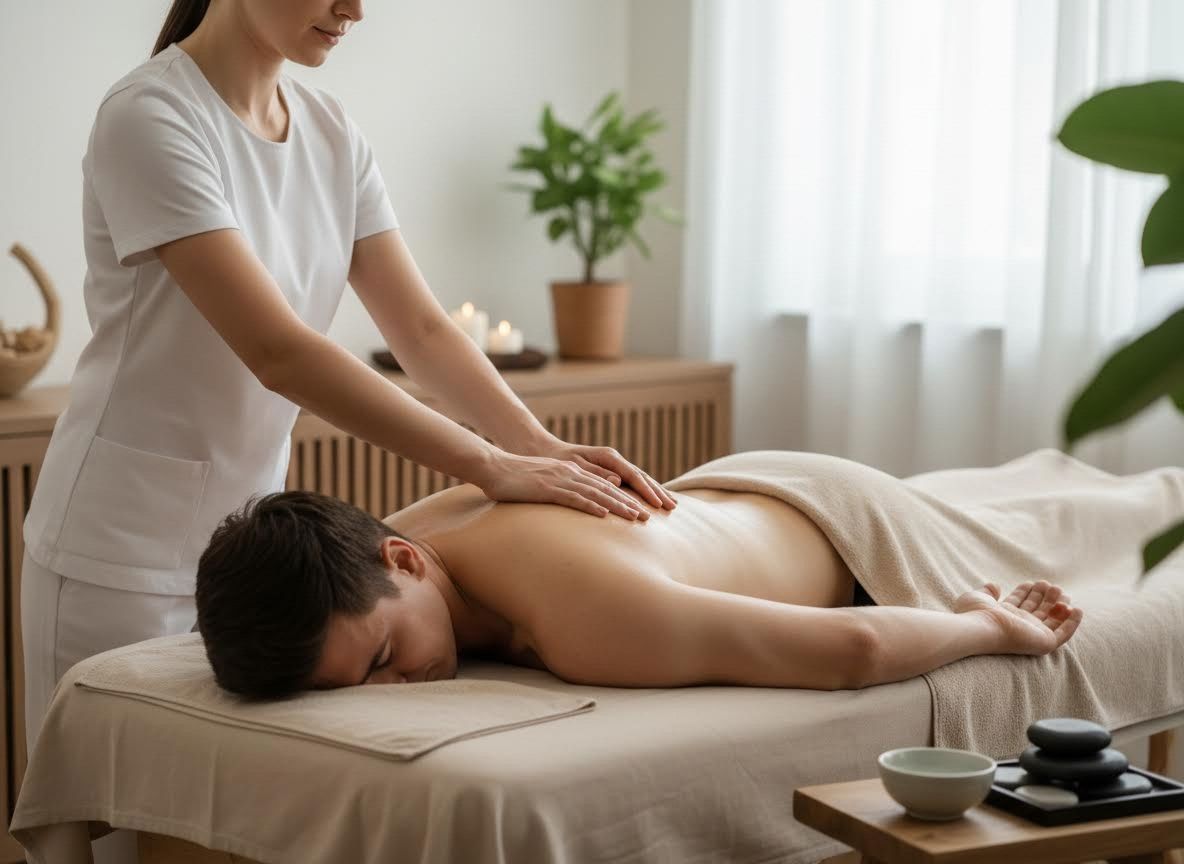
When you book a massage to melt away the stress of a long week, chances are you are choosing a Swedish massage. It is the most common and widely recognized type of massage in the Western world, famous for its long, flowing strokes and profound ability to induce deep relaxation.
But have you ever wondered why it is called "Swedish" massage? The history of this deeply healing modality is a fascinating journey that spans centuries and crosses borders. Here is a look at the origins of the world’s most popular spa treatment.
The "Father" of Swedish Massage
The story begins in the early 19th century with a Swedish physiologist, fencing master, and gymnastics instructor named Pehr Henrik Ling (1776–1839). Ling suffered from chronic pain and rheumatism, which he managed to cure through a specialized regimen of exercises and gentle physical manipulation.
Inspired by his own healing, Ling developed a system known as the "Medical Gymnastics" or the "Swedish Movement Cure." This system categorizes movements into active (performed by the patient), passive (performed by the therapist), and duplicated (performed by both). His goal was to restore health by improving blood circulation and relieving muscle tension.
The Dutch Connection
While Ling laid the vital groundwork for physical therapy and movement, the Swedish massage we know and love today actually owes a great deal of its structure to a Dutch physician named Johann Georg Mezger (1838–1909).
Mezger took Ling’s principles of the "Swedish Movement Cure" and combined them with his own medical knowledge of anatomy. Mezger is the one who formally categorized the specific massage strokes and gave them the French names that massage therapists still use globally today:
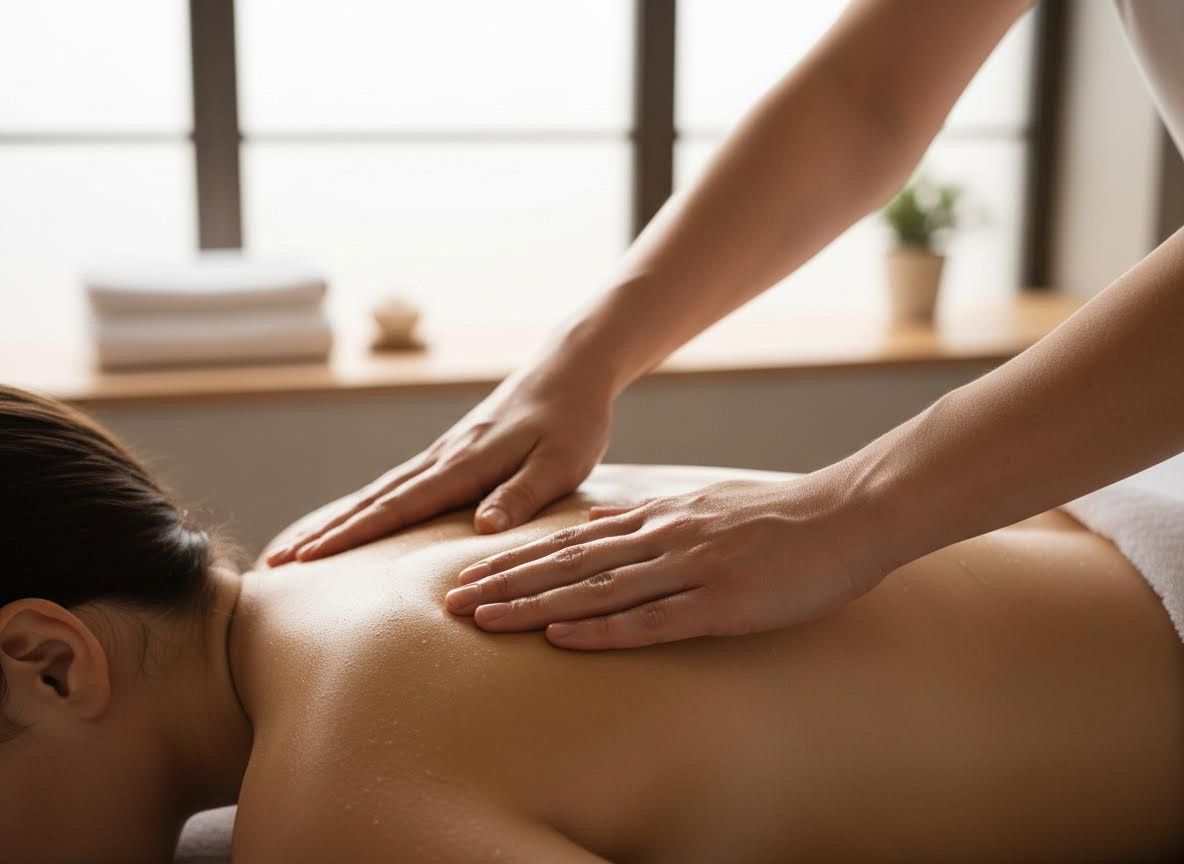
Effleurage: Long, sweeping, gliding strokes used to warm up the muscles.
Pétrissage: Kneading and rolling of the muscles to release deep tension.
Friction: Deep, circular movements to break down adhesions and knots.
Tapotement: Rhythmic tapping or cupping to invigorate the body.
Vibration: Shaking or trembling movements to soothe the nervous system.
Because Mezger’s techniques were so heavily influenced by Ling’s Swedish gymnastics, the modality became universally known as "Swedish Massage."
Global Expansion and Modern Day
In the late 19th century, two brothers, Dr. Charles Fayette Taylor and Dr. George Henry Taylor, brought the Swedish Movement Cure to the United States after studying in Europe. They opened a clinic in New York, and the practice quickly gained traction among the medical community and the general public alike.
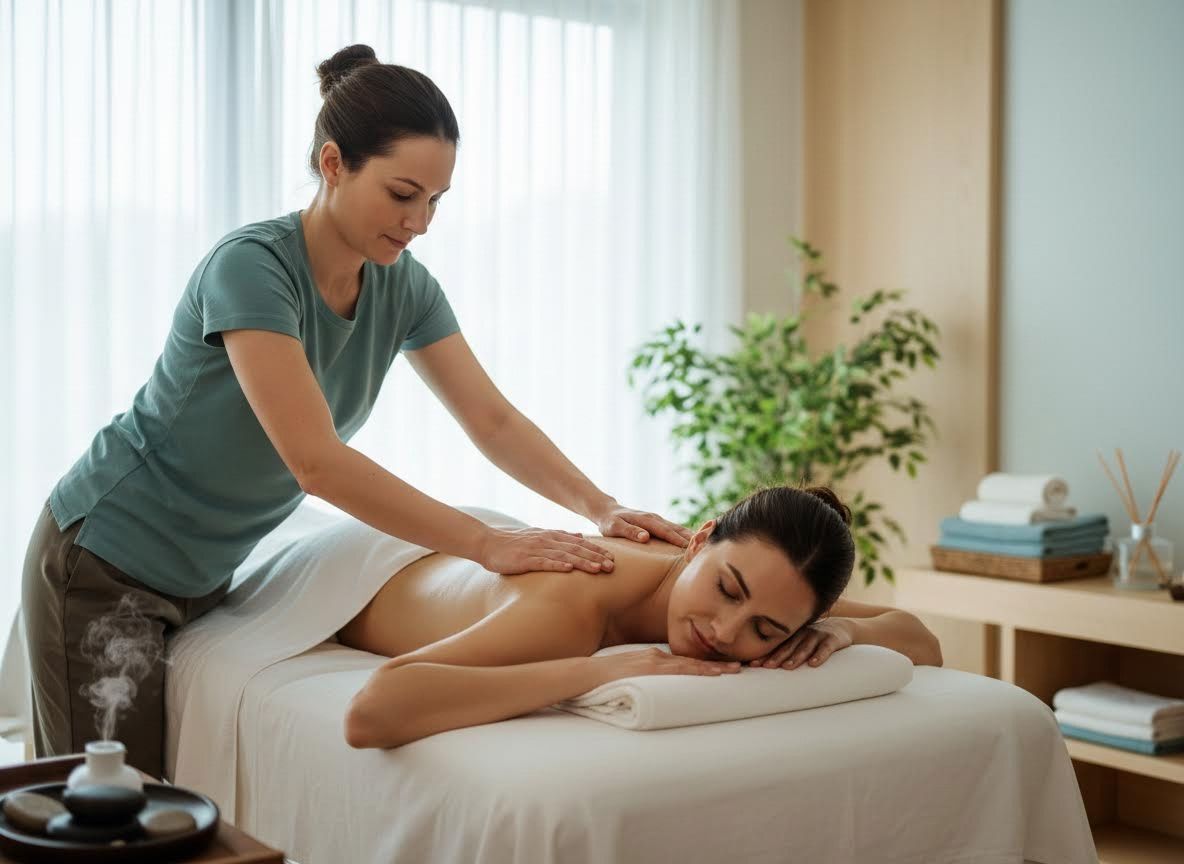
Today, Swedish massage has evolved into the absolute foundation of Western massage therapy. It is the prerequisite training for nearly all licensed massage therapists and serves as the baseline for other specialized modalities like deep tissue, sports massage, and aromatherapy massage.
Experience History Hands-On
The next time you are enjoying the rhythmic, soothing strokes of a Swedish massage, you can appreciate the centuries of anatomical science and historical refinement that went into perfecting it. It is a timeless practice designed to harmonize your body and mind.
Treat yourself to the ultimate relaxation experience. Book your next Swedish massage at Naples Day Spa today and experience the benefits for yourself.